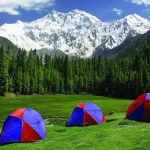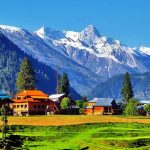


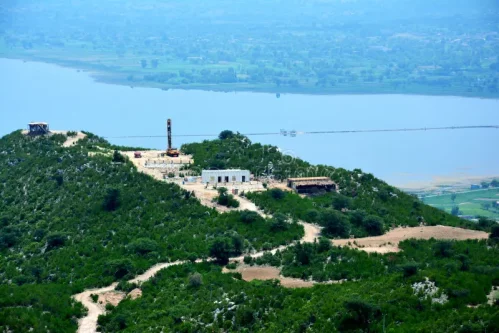
Soon Valley, located in the heart of Khushab, Punjab, Pakistan, is a scenic region famous for its lakes, mountains, wildlife, and rich cultural heritage. Nestled within the Salt Range, the valley’s unique topography, closed drainage system, and lush landscapes make it a must-visit destination for travelers, nature enthusiasts, and history lovers. The valley is home to Uchhali, Khabeki, and Jahlar lakes, which serve as critical habitats for native and migratory birds. Naushera, the main town, acts as the gateway to exploring this ecological and historical treasure.
Where is Soon Valley Located?
Soon Valley location is within the Khushab District, approximately 210 kilometers from Islamabad and 295 kilometers from Lahore. The valley covers 816 square kilometers, offering a moderate rural population density of around 178 people per square kilometer. Its elevation ranges between 800 to 1,500 meters, creating diverse climatic zones and fertile lands ideal for agriculture and wildlife habitats.
Naushera Soon Valley serves as the central hub for travelers. Roads connecting Islamabad, Lahore, and Sargodha provide easy access to the valley, with scenic routes such as Sultan Mehndi – Sodhi Road offering picturesque views of hills and forests.
For a detailed layout of Soon Valley’s lakes, peaks, and villages, you can view the official Soon Valley map provided by the Pakistan Tourism Development Corporation here.
What Makes Soon Valley Geographically Unique?
The valley’s geography combines mountains, plains, and wetlands. Its closed drainage system has resulted in saline lakes like Uchhali, Khabeki, and Jahlar, forming vital wetland ecosystems. Sakesar Peak, the highest point, rises prominently and attracts trekkers and birdwatchers alike.
Topography and Climate
- Summer highs: Up to 42°C
- Winter lows: Down to -3°C
- Rainfall: Infrequent, sporadic, and highly variable
- Vegetation: Mixed forests, grasslands, and agricultural fields
Notable Wildlife:
- Greater spotted eagle (Clanga clanga) – winter migratory species
- White-headed duck (Oxyura leucocephala) – endangered waterfowl
Which Lakes Define Soon Valley?
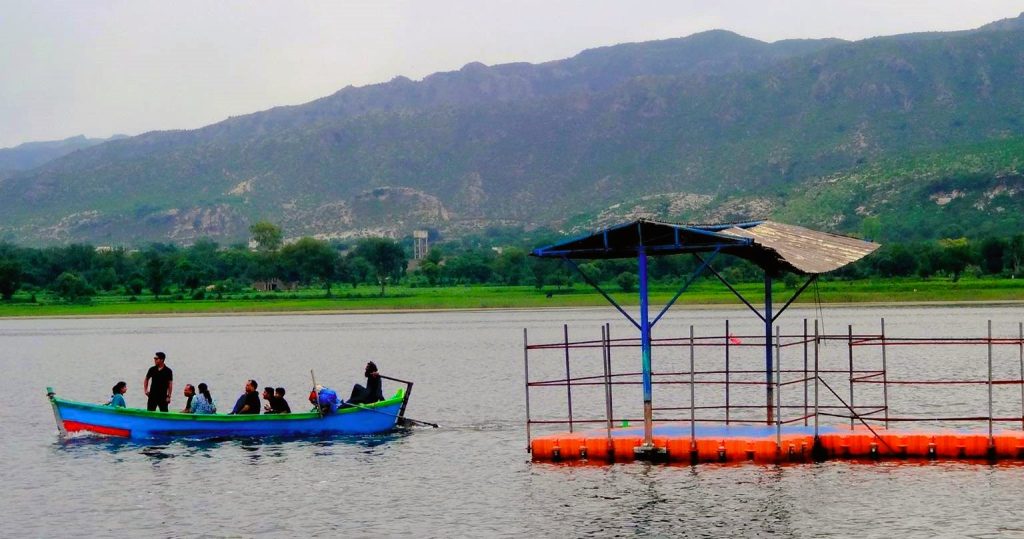
The Uchhali Wetland Complex includes Uchhali, Khabeki, and Jahlar lakes, spanning 1,243 hectares. Declared a Ramsar site, this area is ecologically significant:
- Uchhali Lake – Saltwater lake attracting migratory birds; surrounded by marsh vegetation.
- Khabeki Lake – Small but ecologically rich; ideal for photography and birdwatching.
- Jahlar Lake – Less explored; offers tranquility and natural scenery.
Travelers looking for organized trips can explore guided tours to Soon Valley, including short trips and adventure packages offered by PakAdventure, making planning easy and convenient.
What Is the History of Soon Valley?
Ancient Settlements:
Evidence of human habitation in Soon Valley dates back to the Paleolithic and Neolithic periods, with rock shelters revealing early hunting and gathering practices. Early settlers were attracted by natural springs and fertile lands.
Historical Sites:
- Amb Temples – Hindu Shahi-era complex reflecting pre-Islamic religious influence.
- Mughal tombs and gardens – 16th–17th century structures with domes and intricate tile work.
- Islamic heritage – Introduced in the 8th century, blending local customs with Islamic traditions.
Who Lives in Soon Valley?
The Awan tribe dominates the valley, claiming descent from Arab settlers during Mahmud of Ghazni’s era. Other ethnic groups include Arains and Rajputs.
Population & Language:
- Total population (2023): 144,851
- Primary language: Punjabi (Awankari dialect)
- Official language: Urdu
- Religion: Over 99% Muslim, predominantly Sunni
Social Structure:
- Patriarchal joint families
- Strong kinship networks
- Community-based agriculture and decision-making
What Drives the Economy of Soon Valley?
Agriculture:
- Staple crops: Wheat (2,200 kg/acre), potatoes (8,000 kg/acre), cauliflower (5,600 kg/acre)
- Fruits: Apricots and olives (government-supported)
- Livestock: Goats, sheep, cows, buffaloes for milk and meat
Tourism:
Emerging as a secondary economic sector. Initiatives include the Soon Valley Master Plan (2019) promoting eco-tourism, trekking, and birdwatching. Visitor facilities remain modest, mainly guesthouses and basic hotels.
Which Cultural Experiences Await Visitors?
Cuisine
- Sarson da saag with makki di roti – Traditional winter dish
- Karahi – Goat or chicken cooked with spices
- Lassi – Fresh yogurt drink
- Use of wild herbs like fenugreek and mint enhances flavors
Traditions and Festivals
- Folk dances: Ludi, performed during weddings and festivals
- Craftsmanship: Locally made artisan products
- Festivals:
- Eid-ul-Fitr & Eid al-Adha – Religious and communal feasts
- Basant Mela – Kite flying and spring celebration
- Local melas – At shrines such as Amb Sharif
Weather in Soon Valley
Soon Valley weather is diverse due to its elevation:
| Location | Summer High | Winter Low | Rainfall |
|---|---|---|---|
| Naushera | 42°C | -3°C | Sporadic |
| Uchhali Lake | 40°C | -2°C | Rare |
| Mardwal | 38°C | -1°C | Minimal |
- Best time to visit: Spring and autumn (moderate temperatures, clear skies)
- Weather in Naushera Soon Valley is generally milder than surrounding plains
- Travelers should carry sun protection in summer and warm clothing in winter
How to Reach Soon Valley?
From Islamabad (210 km)
- Route: M2 → Balkasar Interchange → Talagang → Naushera
- Duration: ~2.5 hours
From Lahore (295 km)
- Route: M2 → Kalar Kahar Interchange → Padhrar → Pail → Jaba Mor → Naushera
- Scenic alternative: Sultan Mehndi – Sodhi Road
From Sargodha (55 km)
- Route: Khushab → Sakesar Road → Naushera
Who Are Notable Figures from Soon Valley?
- Artists: Manal AlDowayan, Ahmed Mater – Contemporary works inspired by valley landscapes
- Cultural contributors: Local artisans, musicians, and festival performers
- Historical figures: Influenced settlement patterns, agriculture, and architecture
What Environmental Challenges Exist?
Climate Change Impacts:
- Heat waves, droughts, and sporadic rainfall
- Threats to crops and freshwater resources
Biodiversity Threats:
- Loss of migratory birds, reptiles, and endemic flora
- Habitat degradation due to deforestation and pollution
Conservation Efforts:
- Community-led habitat restoration and water conservation
- NGOs promoting sustainable tourism and environmental education
- Geographically tailored strategies to protect ecosystems
FAQs
Q1: What is the weather in Soon Valley?
Summer highs reach 42°C, while winter lows can drop to -3°C. Rainfall is sporadic; spring and autumn are ideal visiting months.
Q2: How far is Soon Valley from Lahore?
Approximately 295 km, accessible via M2 motorway through Kalar Kahar, Padhrar, and Jaba Mor.
Q3: Where is Naushera in Soon Valley?
Naushera is the main town and gateway to the valley, located centrally in Khushab District.
Q4: What is Soon Sakesar Valley famous for?
Sakesar Peak offers trekking opportunities, panoramic views, and access to surrounding lakes and wildlife.
Soon Valley blends ecological richness, cultural heritage, and rural life into a unique travel experience. From historic temples and Mughal tombs to saline lakes and verdant peaks, it is a destination where tradition, nature, and adventure coexist. Responsible tourism and conservation efforts are key to sustaining this hidden gem of Pakistan.